


In the lush, mist-shrouded forests of coastal Karnataka, where ancient spirits whisper through the canopy and tribal drums echo like thunder, Rishab Shetty’s Kantara: Chapter 1 emerges as a cinematic thunderbolt. Released on October 2, 2025, this Kannada-language epic period drama serves as a prequel to the 2022 blockbuster Kantara, which captivated audiences with its raw blend of folklore, action, and spirituality. Clocking in at 169 minutes, Chapter 1 transports viewers back to the Kadamba dynasty era (circa 300–400 CE), unraveling the origins of the Bhuta Kola ritual and the fierce divine spirit Panjurli Daiva. With a staggering worldwide gross of ₹370 crore, it has solidified its place as the highest-grossing Kannada film of 2025 and the third-highest in the language’s history.
What makes Kantara: Chapter 1 more than a sequel-in-disguise? It’s a bold excavation of cultural roots, pitting human ambition against the unyielding forces of nature and divinity. The film opens amid the verdant wilds of pre-colonial Karnataka, where tribal communities guard sacred groves against encroaching kings. At its heart lies a tale of ego, faith, and retribution: a tyrannical ruler’s greed for land sparks a cataclysmic clash, birthing a divine pact that reverberates through time. Without spoiling the spine-chilling climax, the narrative weaves mythology with visceral action, exploring how the first protector of the deity rises to challenge oppression. Themes of environmental stewardship and spiritual harmony resonate deeply, echoing contemporary battles over land rights while immersing us in the primal energy of Tulu Nadu’s folklore.
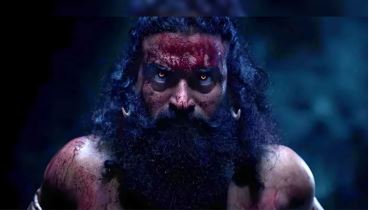
Rishab Shetty, the multifaceted genius behind the camera and in front of it, anchors the film with a tour-de-force performance. As the central figure—a warrior entangled in divine machinations—Shetty embodies raw power and vulnerability, his preparation involving rigorous training in horse riding, Kalaripayattu, and sword fighting. Flanking him is a stellar ensemble: Jayaram brings gravitas to a key elder role, Rukmini Vasanth infuses emotional depth as a pivotal female character whose trailer-launch tears hinted at her impact, and Gulshan Devaiah adds brooding intensity to the antagonistic forces. Their chemistry elevates the interpersonal drama, making the tribal-royal conflicts feel intimately human amid the spectacle.
Production on Kantara: Chapter 1 was as epic as its scope, kicking off in February 2023 after Shetty sought “divine permission” from Panjurli Daiva in Mangalore—a nod to the film’s spiritual authenticity. Scripted over eight months with collaborators Shaneel Gautham and Anirudh Mahesh, the story drew from Kadamba-era history, emphasizing the birth of Panjurli and Guliga Daivas. Hombale Films, riding high from the original’s success, backed the ₹125 crore venture, with Vijay Kiragandur and Chaluve Gowda as producers. Filming commenced in November 2023 in Shetty’s native Kundapura village, shifting to Sakleshpur’s dense forests for authenticity. A 25-acre war set, constructed by 600 carpenters, hosted a 50-day battle sequence with 500 fighters and nearly 3,000 extras, blending practical effects with CGI for breathtaking realism.
Yet, the journey wasn’t without trials. A November 2024 bus accident near Jadkal sidelined the crew, while a ₹50,000 fine in January 2025 for environmental lapses in protected areas underscored the irony of a film championing nature. By July 2025, principal photography wrapped, paving the way for B. Ajaneesh Loknath’s pulsating score. Tracks like “Brahmakalasha” (5:44) and the Hindi “Rebel Song” by Diljit Dosanjh fuse Carnatic melodies with tribal beats, amplifying the divine aura and earning praise for their immersive pull.
The release strategy was a masterstroke, timed for Gandhi Jayanti and Dussehra across standard, IMAX, 4DX, and Dolby formats. Dubbed in Hindi, Tamil, Telugu, and Malayalam, it was distributed by Hombale in Karnataka, Prithviraj Productions in Kerala, and AA Films up north, with Phars Films handling North America. Digital rights fetched ₹125 crore from Amazon Prime. Box office fireworks ensued: Day one hauled ₹89 crore globally, surging to ₹325–335 crore over the extended weekend. Hindi alone netted ₹75 crore in four days, Telugu ₹47 crore, and Tamil ₹22 crore, outpacing 2025 rivals and affirming Kannada cinema’s pan-Indian might.
Critics hailed it as a “spellbinding spectacle,” though not without caveats. India Today’s Janani K awarded 4/5 stars, lauding its “brilliant showcase of man vs. nature infused with divinity.” Bollywood Hungama echoed the sentiment, calling the climax “unforgettable.” Filmfare (3.5/5) and Rediff.com praised Shetty’s “emotional depth,” while News18 spotlighted the visual feast. However, NDTV and The Indian Express (3/5) found it “compelling yet uneven,” critiquing narrative bloat compared to the original’s tautness. Deccan Herald’s 2/5 urged “sharper writing,” and Scroll.in noted missed opportunities to challenge gender stereotypes in its male-centric lens. Overall, it holds a solid consensus for spectacle over subtlety.
Kantara: Chapter 1 isn’t just a film; it’s a cultural clarion call, deepening the saga’s lore while grossing fortunes and sparking dialogues on heritage. In an era of formulaic blockbusters, Shetty’s vision roars with unapologetic authenticity, reminding us that true power lies not in crowns, but in the earth’s untamed pulse. As Panjurli’s legacy endures, so does the hunger for more chapters in this mythic universe.